
07/02/2026
Brittle Moral Education
From disillusionment at work, with rules, and in public discourse, this article explains how thin moral education can turn local disappointment into generalized cynicism.
anz7
Long-form arguments about technology, logic, institutions, and everyday life.
Featured article Brittle Moral Education From disillusionment at work, with rules, and in public discourse, this article explains how thin moral education can turn local disappointment into generalized cynicism.
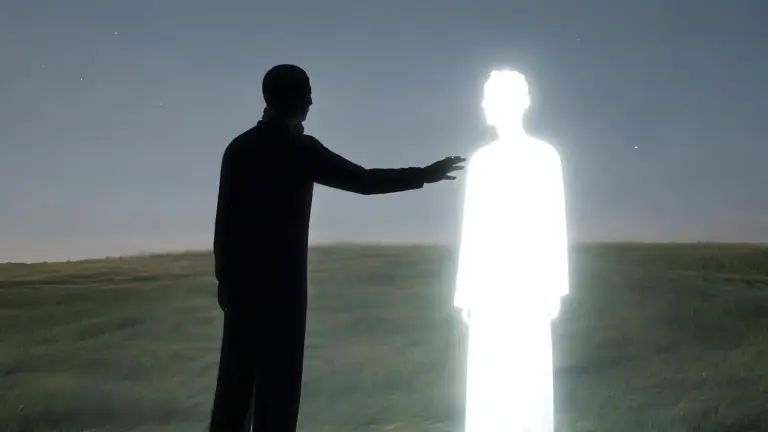
A reflection on terminal teleology, explaining how goals can organize present practice without monopolizing the meaning of life.

Using Hartmut Rosa's theory of resonance to explore how people can hear the world again after habits of possession, extraction, and control.

Using Dewey's idea of complete experience to ask which everyday activities can carry a felt sense of life, aesthetic value, and a real sense of completion.

Using Merleau-Ponty's view of the body to explore how people can move from performance-based self-inspection back into the concrete world.

Why purposeless rest has become so difficult in a culture of self-optimization, performance-driven growth, and internalized discipline.

Why cooperation in the real world needs boundaries, retaliation, and room for honest error.
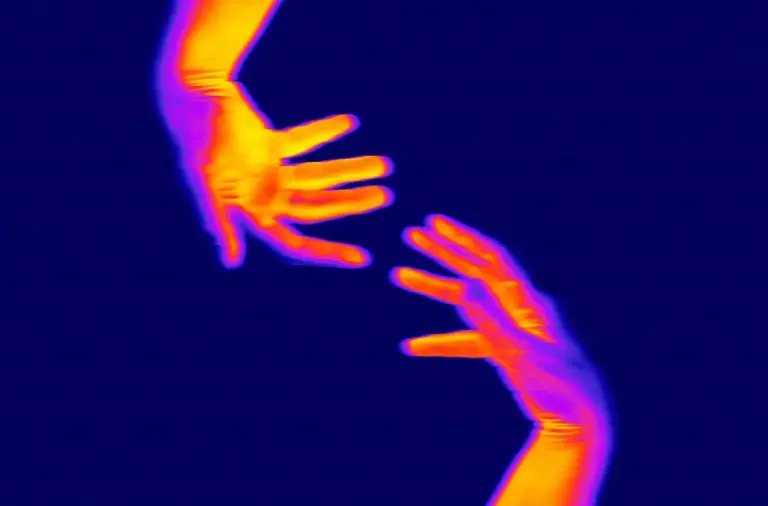
A repeated prisoner's dilemma experiment with real monetary rewards shows how people slow down punishment and try to repair cooperation in noisy environments.

A game-theoretic reading of intimacy, showing why stable love needs boundaries, repair attempts, and the willingness to receive them.

A cognitive model for understanding concrete objects, relational structures, and metacognitive reflection.